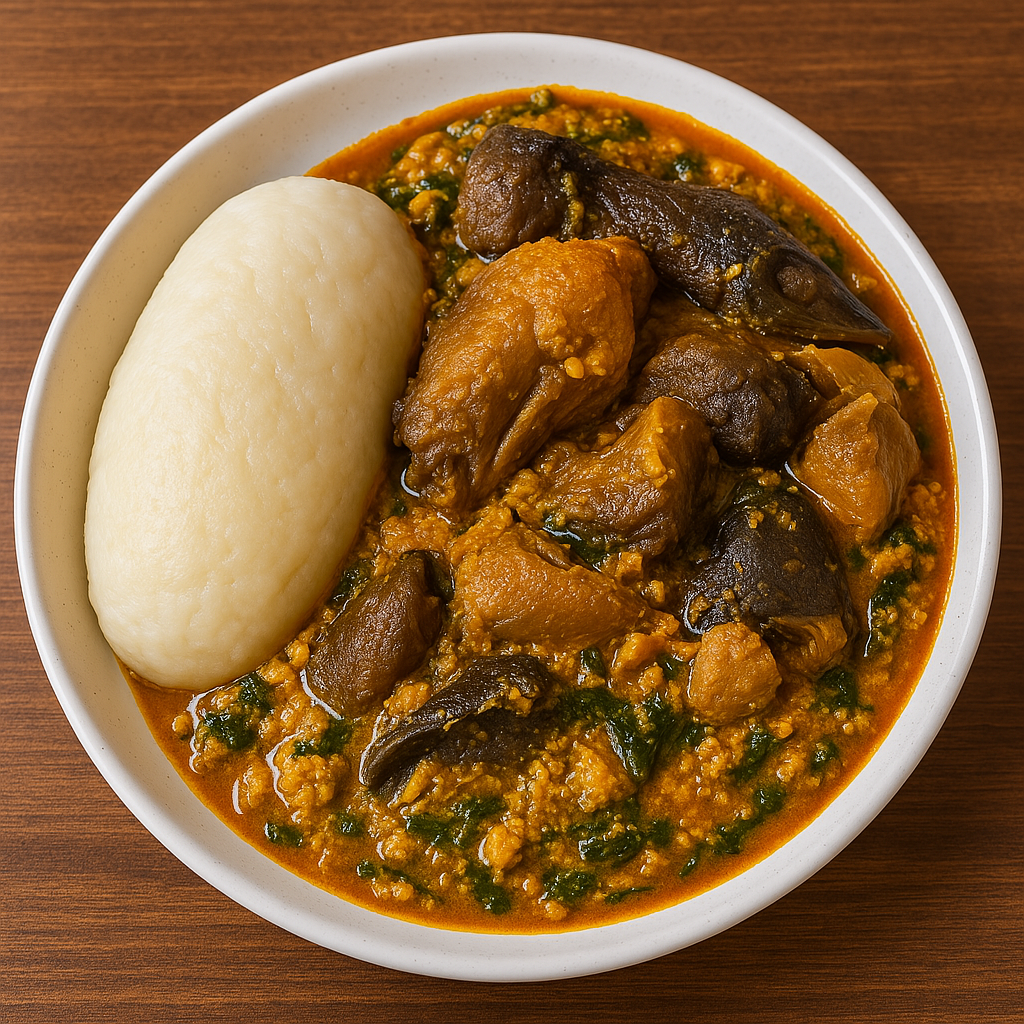
If you have ever eaten a proper bowl of Nigerian pepper soup and wondered what gives it that distinctive, almost buzzing heat (warming you from the inside out rather than just burning your tongue), you have already tasted Cameroun pepper at work.
It is one of the most important spices in Nigerian and West African cooking. It is also one of the most misunderstood, frequently confused with ordinary chilli pepper or dismissed as just another hot spice in a country full of them. It is neither. Cameroun pepper is its own thing entirely, with its own flavour profile, botanical identity, and irreplaceable role in the foods Nigerians have been cooking for generations.
Here is everything you need to know about it.
What Exactly Is Cameroun Pepper?
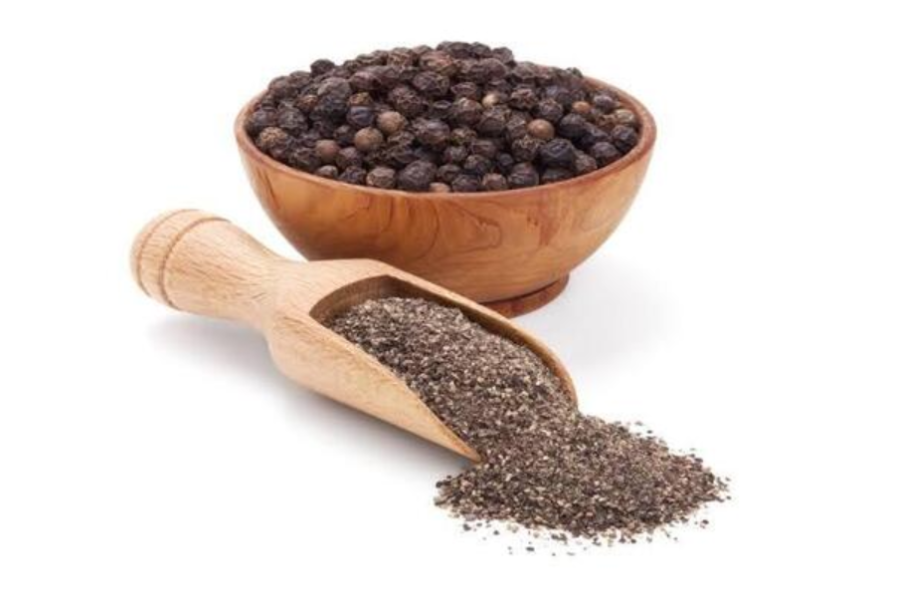
Cameroun pepper is the dried, milled fruit of Piper guineense, a woody climbing plant native to West and Central Africa. It belongs to the Piperaceae family; the same botanical family as black pepper (Piper nigrum), but it is a distinct species, not a variety of the black pepper found on Western dinner tables.
The plant grows naturally across Nigeria, Cameroun, Ghana, and the wider West African region. The berries are harvested, dried, and milled into the reddish-brown powder that Nigerian cooks reach for whenever they are making pepper soup or building the spice base for a suya rub.
Despite its name, Cameroun pepper does not come exclusively from Cameroun. The name reflects the broader West and Central African origin of the species, not a single country of production. In Nigeria, it is grown and sourced from several states, and it has been a fixture of Nigerian cooking long before modern trade borders existed.
Cameroun Pepper vs Chilli Pepper: What Is the Difference?
This is where a lot of people get confused, and the confusion matters if you are cooking seriously.
Chilli pepper in Nigeria typically refers to the dried, milled fruit of Capsicum species, the same genus as the jalapeño, cayenne, and habanero. These are New World plants, introduced to Africa via the Portuguese in the 15th and 16th centuries. Their heat comes primarily from capsaicin, which creates the sharp, front-loaded burn most people associate with spicy food. Cameroun pepper is completely different. Its heat comes from piperine and related alkaloids, the same compounds responsible for the heat in black pepper. The experience of eating it is different: more aromatic, more complex, and the heat builds and spreads rather than hitting immediately. It has an earthiness that chilli pepper lacks, and a slightly floral quality that becomes more noticeable in liquid-based dishes like pepper soup, where it has time to bloom.
You cannot substitute one for the other and get the same result. A bowl of pepper soup made with only chilli will be hot, but it will not taste right. The characteristic depth and aroma of pepper soup come specifically from Cameroun pepper.
What Does Cameroun Pepper Taste Like?
The heat is the first thing you notice, but it is not aggressive. It builds gradually, spreading across the palate and into the back of the throat rather than concentrating at the tip of the tongue. There is warmth rather than sharpness.
Underneath the heat is where Cameroun pepper gets interesting. There are earthy, woody notes — a faint mustiness that reads as depth rather than unpleasantness. Some people detect a subtle floral quality, particularly in freshly milled pepper. The overall profile is more complex than that of chilli pepper, which is part of why it works so well in slow-cooked dishes, where those flavour layers have time to develop.
The aroma when you open a container of quality Cameroun pepper is distinctive: warm, slightly peppery, earthy. It should smell like it was recently milled, not flat or dusty; which is a sign of old stock or poor storage.
What Is Cameroun Pepper Used For?
Pepper Soup
This is the hero application, where Cameroun pepper is truly indispensable. Nigerian pepper soup, whether made with catfish, goat meat, chicken, or offal, depends on Cameroun pepper for its characteristic flavour and heat. You can add other spices and aromatics, but if the Cameroun pepper is missing or of poor quality, experienced cooks will notice immediately.
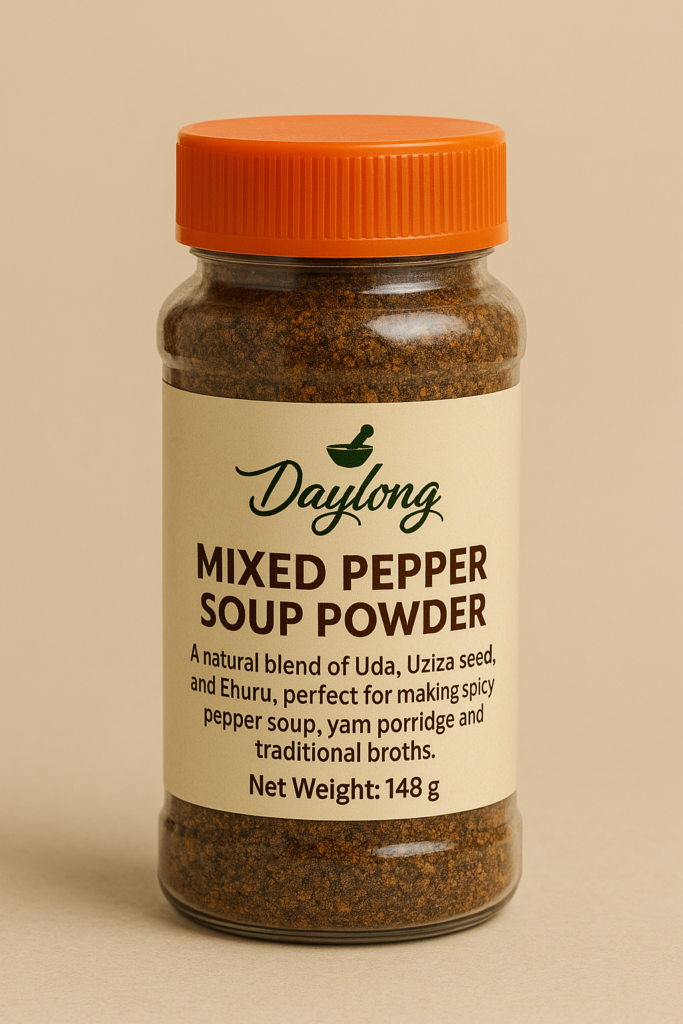
The spice is typically used in combination with other West African aromatics in a pepper soup blend. In Daylong Group’s Mixed Pepper Soup Powder, Cameroun pepper is the foundational ingredient, combined with chilli and complementary West African aromatics to produce a blend formulated for authentic Nigerian pepper soup — no MSG, no bulking agents, no shortcuts.
Suya Rubs
The iconic Nigerian grilled meat preparation uses Cameroun pepper as a key heat component in the spice mix rubbed onto meat before grilling. The piperine compounds in Cameroun pepper hold up well to high heat in a way that more volatile spice compounds do not, making it particularly well-suited to the suya cooking method.
Stews and Sauces
Many Nigerian stew bases and braising liquids use Cameroun pepper as a background heat element, distinct from the sharper foreground heat of chilli. It is particularly common in South-South Nigerian cooking traditions, where the Niger Delta cuisine makes heavy use of the spice.
Traditional Wellness Uses
Across West Africa, Cameroun pepper has a long history of use in traditional wellness practices. These uses are culturally significant and widely documented in ethnobotanical literature. Daylong does not make therapeutic claims about any of its products; the value of Cameroun pepper in cooking is reason enough to keep it in your kitchen.
Why Single-Ingredient Cameroun Pepper Matters
The Cameroun pepper available in Nigerian markets exists on a spectrum of quality. At one end is freshly sourced, properly dried and milled, single-ingredient Cameroun pepper. At the other end is adulterated product; bulked out with fillers, milled from damaged or poorly dried berries, or blended with inferior pepper varieties to reduce cost.
The difference is significant, both in flavour and in what you are actually putting into your food. Here’s why. Single-ingredient Cameroun pepper, milled to a consistent particle size from properly sourced and dried berries, delivers the full flavour profile the spice is capable of. It also means you know exactly what you are cooking with: no hidden additives, no bulking agents, nothing added to make the volume appear larger than the contents actually warrant.
Daylong Group’s Cameroun Pepper, for instance, is single-ingredient. The berries are sorted, dehydrated, and milled to a consistent particle size. Every batch is NAFDAC-certified and produced under documented quality systems with batch-level traceability. The 148g shaker bottle is the retail format; bulk quantities are available on enquiry for food-service operators and manufacturers who use Cameroun pepper at scale.
How to Use Cameroun Pepper in Your Cooking
- In pepper soup: Use it from the beginning of cooking, not as a finishing spice. The flavour develops better in liquid over time. Start with less than you think you need; the heat builds as the dish cooks.
- In suya: Combine ground crayfish, ginger, onion powder, and paprika to form the base of your suya spice mix. The ratio of Cameroun pepper to other spices is where personal preference comes in, but it should be prominent.
- In stews: Add at the start of the cooking process, along with your tomato base. It blooms in oil and develops more complexity when given time.
- Storage: Keep in a cool, dry place away from direct sunlight. Ground spices lose potency over time; buy quantities you will use within a reasonable period rather than overstocking.
Where to Source Quality Cameroun Pepper in Nigeria
The challenge with buying Cameroun pepper in Nigerian markets is consistency. Informal market sources vary enormously in quality, particle size, and purity. For households that cook pepper soup regularly and want consistent results, a NAFDAC-certified, single-ingredient product from a documented source is the more reliable option.
Daylong Group produces Cameroun pepper from its Kaduna processing facility, available in a 148g shaker bottle for retail and in bulk formats for food-service and commercial buyers. Every product is produced under documented quality systems with batch-level traceability; from African soil to your kitchen.
On a final note, Cameroun pepper is not a complicated spice. It does a job that nothing else does in Nigerian cooking, and it does it best when it is what it says it is: one ingredient, properly sourced and processed, without anything added to dilute it. That specificity is the point.